
You have walked the Via Appia, taken a bike ride around the medieval walls of Lucca, and learned to row a bateline the Venetian way. You feel more confident navigating yourself (and your travel companions) around Italy and you are ready for a different side of Italy; one where you might even have to speak a few words of Italian that you have been studying for the last year. You want to find out what else Italy has to offer besides the “Big Three” of Rome, Florence, and Venice. Well, you came to the right spot!
Whether you want to spend more time marveling at ancient ruins, appreciating the beautiful scenery, try as many flavors of gelato as possible, surround yourself with the bustle of an exciting yet gritty city, get your blood flowing on a hike, take charge of a boat, or learn to make your favorite dish, Italy has a spot for you.
Italy’s Campania Region
Southern Italy is known for being more relaxed than their business-oriented counterparts to the north. Visiting the south is a great chance to take a moment to slow down and enjoy the journey.
Campania is home to the bustling metropolis of Napoli, Pompeii and Herculaneum, the ruins left over from the eruption of Vesuvius, the Blue Grotto of Capri and the UNESCO World Heritage Site of the Amalfi Coast, but did you also know that it is home to Paestum, boasting some of the most well preserved Greek temples outside of Greece, the Caserta Palace, home to the 18th century kings of Naples said to be patterned after Versailles with its extensive gardens and Vietri sul Mare, a capital of production of art ceramics? You could spend weeks in Campania and not see everything that might interest you and your interests will determine your focus in this diverse region.
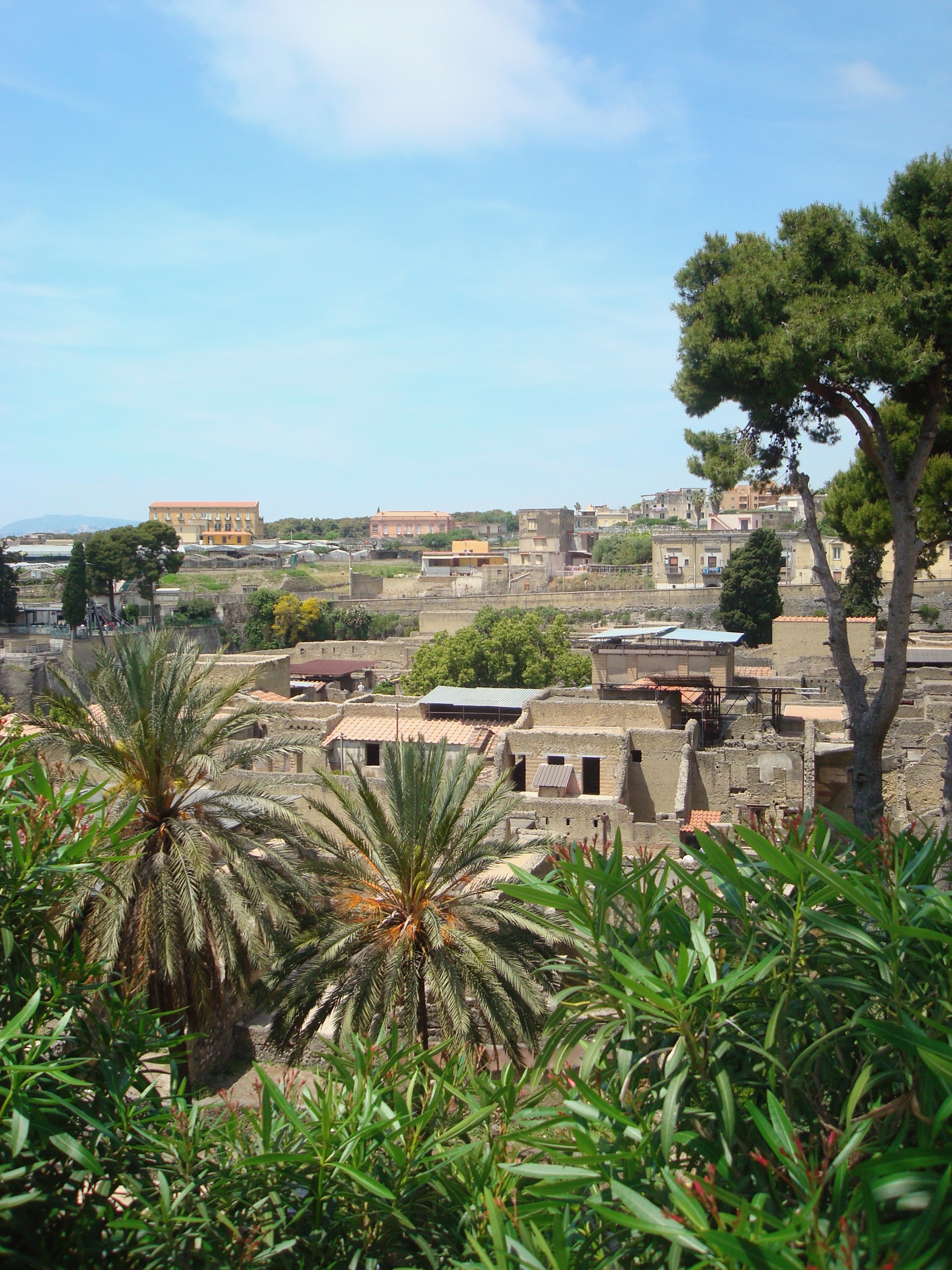
For the ancient history buff, walking down the Strada Abbonzanda in the ruins of Pompeii is a must-do. Spending the day imagining yourself in the first century flourishing resort city of Pompeii, visiting the oldest amphitheater in Ancient Rome, the Villa dei Misteri, and the Temple of Apollo while admiring the architecture and mosaic artwork is a history fan’s dream. Many people flock to Pompeii and forget the smaller site that was covered in five times the amount of ash which resulted in more well-preserved buildings, Herculaneum. A morning hike up Vesuvius and an afternoon visit to Herculaneum would give you the full ancient experience. To view many of the relics and more delicate artifacts and artwork found at the sites, a visit to the Archeological Museum of Naples is a must and will put the cherry on top of your travels through time.
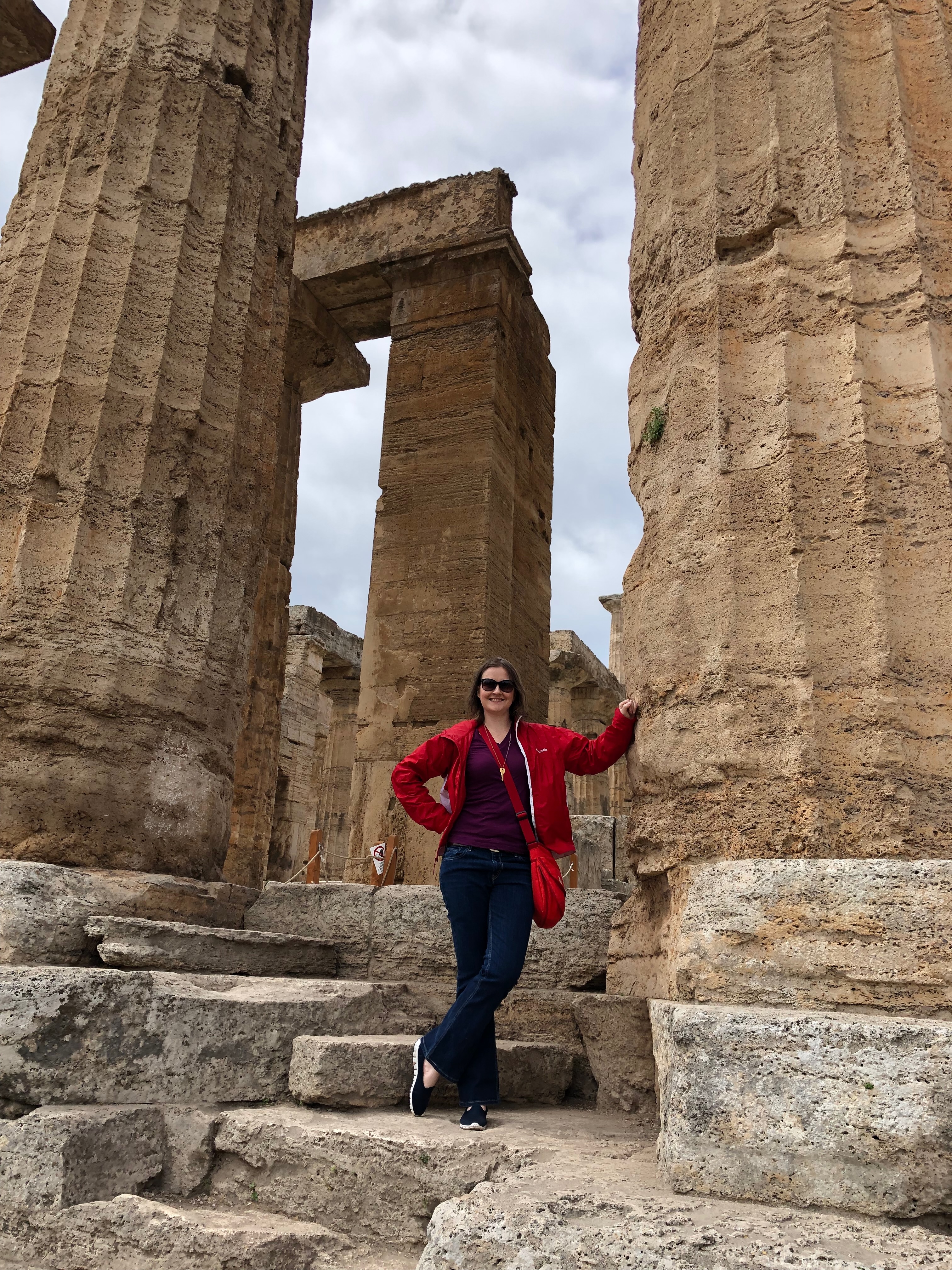
If you want to go even farther back, the Greek temples at Paestum were built between 550 and 450 BC. Named Poseidonia by the original inhabitants and taken over by the indigenous Italic Lucanians in the 400s, it was deserted after being sacked and playing host to a malarial outbreak around 871 AD. In an area thought to be cursed, the ruins of the abandoned city weren’t rediscovered until the 18th century. These exceptionally well-preserved temples are still here to delight and amaze those who are willing to make the train trip 30 minutes south of Salerno. You can even walk along the boardwalks set up inside some of the temples making history come to life around you! If you plan it right, you might be able to visit a farm where some of the highest quality mozzarella di bufala is produced and hopefully indulge a bit in that delicious cheese!

Fast forward to the 18th century when King Charles of Bourbon commissioned celebrated Italian architect Luigi Vanvitelli to build him a new palace and capital just outside Naples. The epitome of Italian Baroque style, the Royal Palace of Caserta combines influences from Versailles, Rome and Tuscany, purposefully built to rival the grand palaces of France and Spain. After exploring some of the 1,200 rooms situated over five floors of royal apartments, grand halls and the Court Theatre, step outside into the Royal Park which includes the first Italian landscape garden designed by botanist John Andrew Graefer to perfectly complement the grandeur of the palace. If it is a nice day, feel free to stroll towards the end of the Via d’Acqua, past the delightful fountains and end three kilometers later (be warned, it looks close but it is deceptively far away!) at a waterfall that descends 82 meters down the hillside towards the monumental fountain of Diana and Actaeon.

The hustle and bustle of Naples can be a bit jarring for some travelers, but others thrive off the excitement and energy of the city. Once you get past the rough looking areas around the train station (definitely a place to use your street smarts!), you can find your way into the centro storico (historic center) and start exploring the heart of the city. It may feel dingy in parts, but every step you take you immerse yourself further in the vibrancy of Napoli, Italy’s third largest city. Pick a charming hotel in the centro storico to be within just a few steps of the most popular attractions in the city. All within walking distance are the Museo Archeologico Nationale di Napoli that will enhance your visit to the Pompeii and Herculaneum ruins, Cappella Sansevero which houses one of the most beautiful and realistic statues in Italy the Veiled Christ, and Pio Monte della Misericordia where you can view Caravaggio’s masterpiece “the Seven Works of Mercy” while supporting the charitable works of the founders that carry on from the 17th century until now. Flock to the shopping street of Via San Gregorio Armeno which is also called “Via dei Presepi” during Christmastime (or any other time with WAY less crowds) to find the perfect artisan addition to your home nativity scene in the scores of stores that stretch out as far as the eye can see. If you want to bask in the Neapolitan sunshine, pick a spot along the Lungomare seawalk in the Santa Lucia neighborhood to indulge in some seafood and sea views. Don’t leave town without letting your nose lead you to the most sublime Neapolitan pizza, making sure to order a Margherita, the classic pizza in its purest form. Once you find the neighborhood which speaks to you, Naples will enchant you like the rest of Italy.
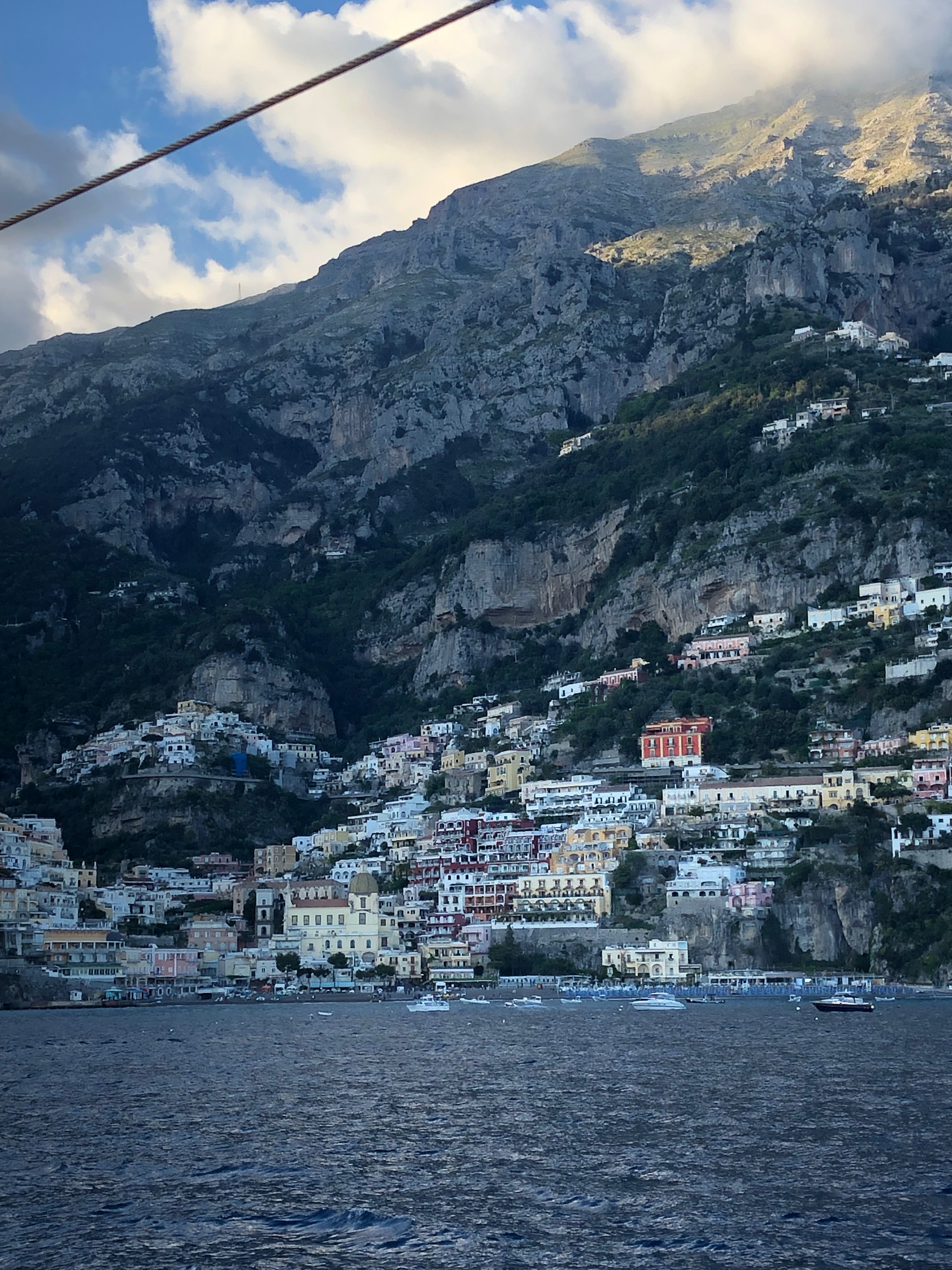
For the traveler who has always dreamed of the brightly colored towns perched on the sides of astounding mountains meeting the blue sea in a picture-perfect setting, the Amalfi Coast is your playground. There are so many tiny, enchanting towns nestled into the mountainside along the jaw dropping coastal road, each with their own charm. With so many options, there is absolutely a perfect location for every type of traveler! For the traveler looking for the glitz and glamor of the Costiera Amaliftana with exquisite food and high-end shopping, Positano is the place for you.
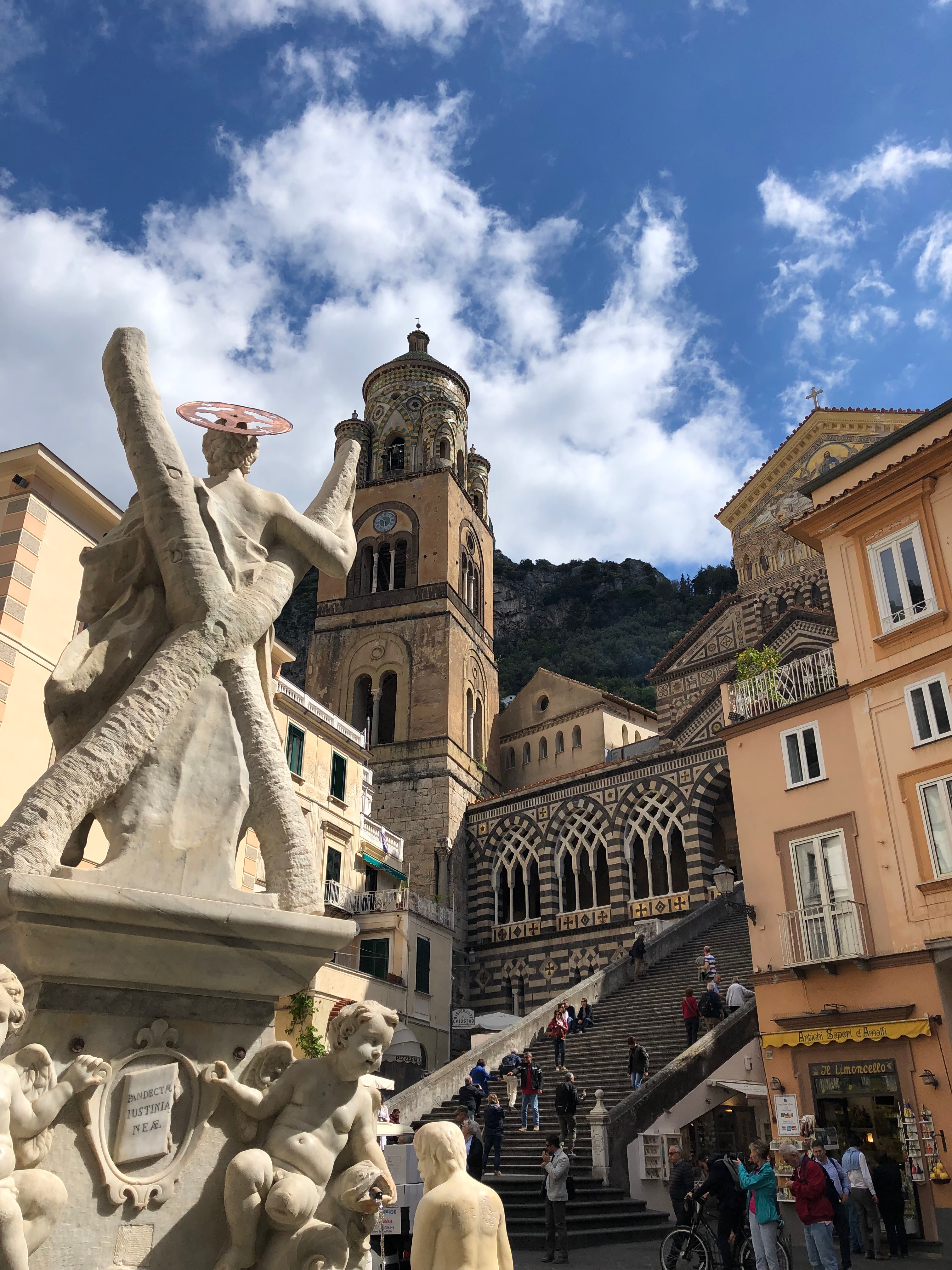
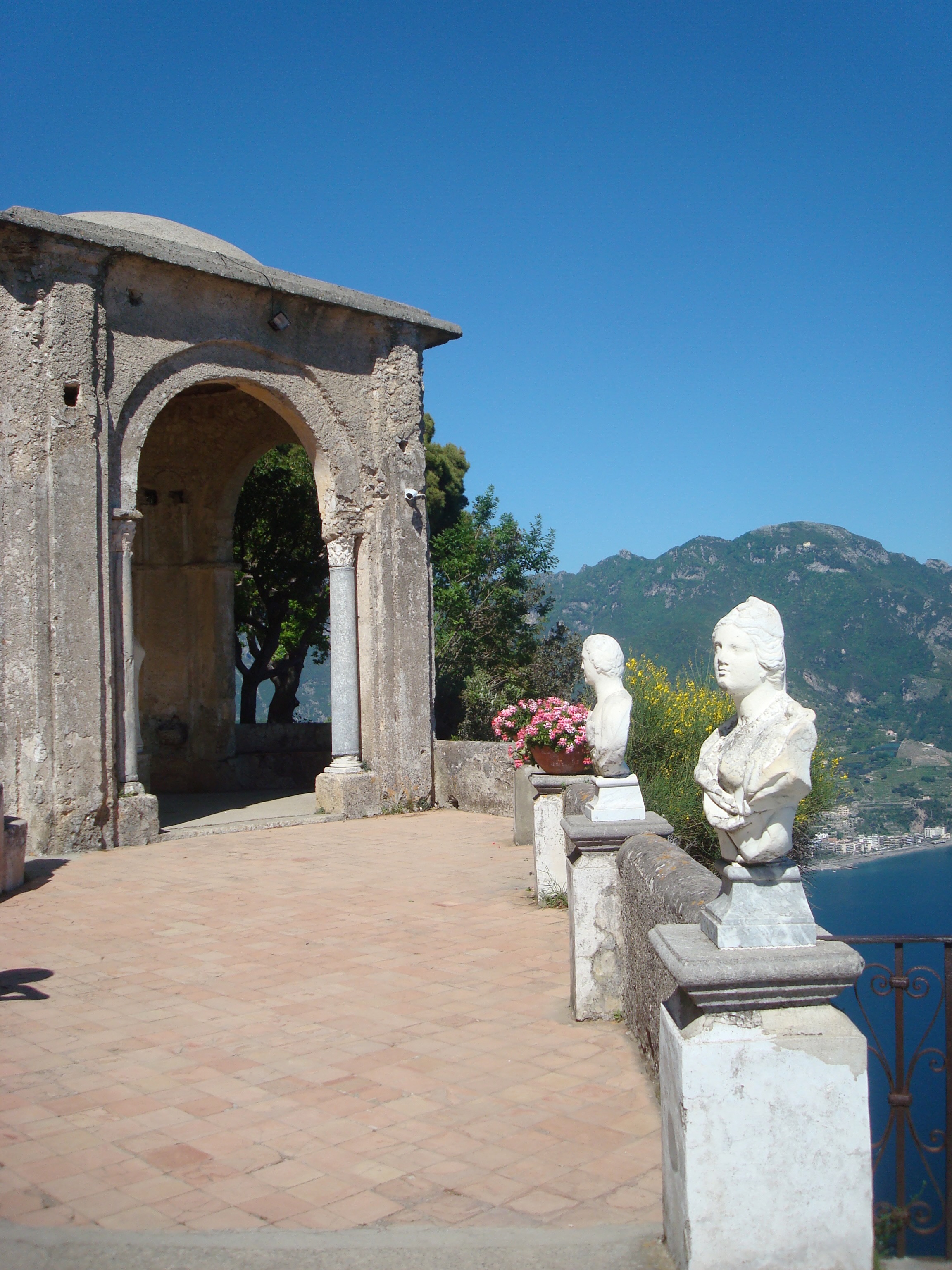
For those with adventurous spirits, basing in Amalfi would be best for the access to many different bus lines, especially if hiking is in the plans. Bus lines leaving from Amalfi can take you up to Bomerano to start the breathtaking and world-famous Path of the Gods which could take hours to complete, over to Minori to stroll along the less strenuous Path of the Lemons, or just up to Ravello to wander the expansive gardens of Villa Rufolo and Villa Cimbrone which provide the awe-inspiring views that you picture whenever you think of your upcoming trip.
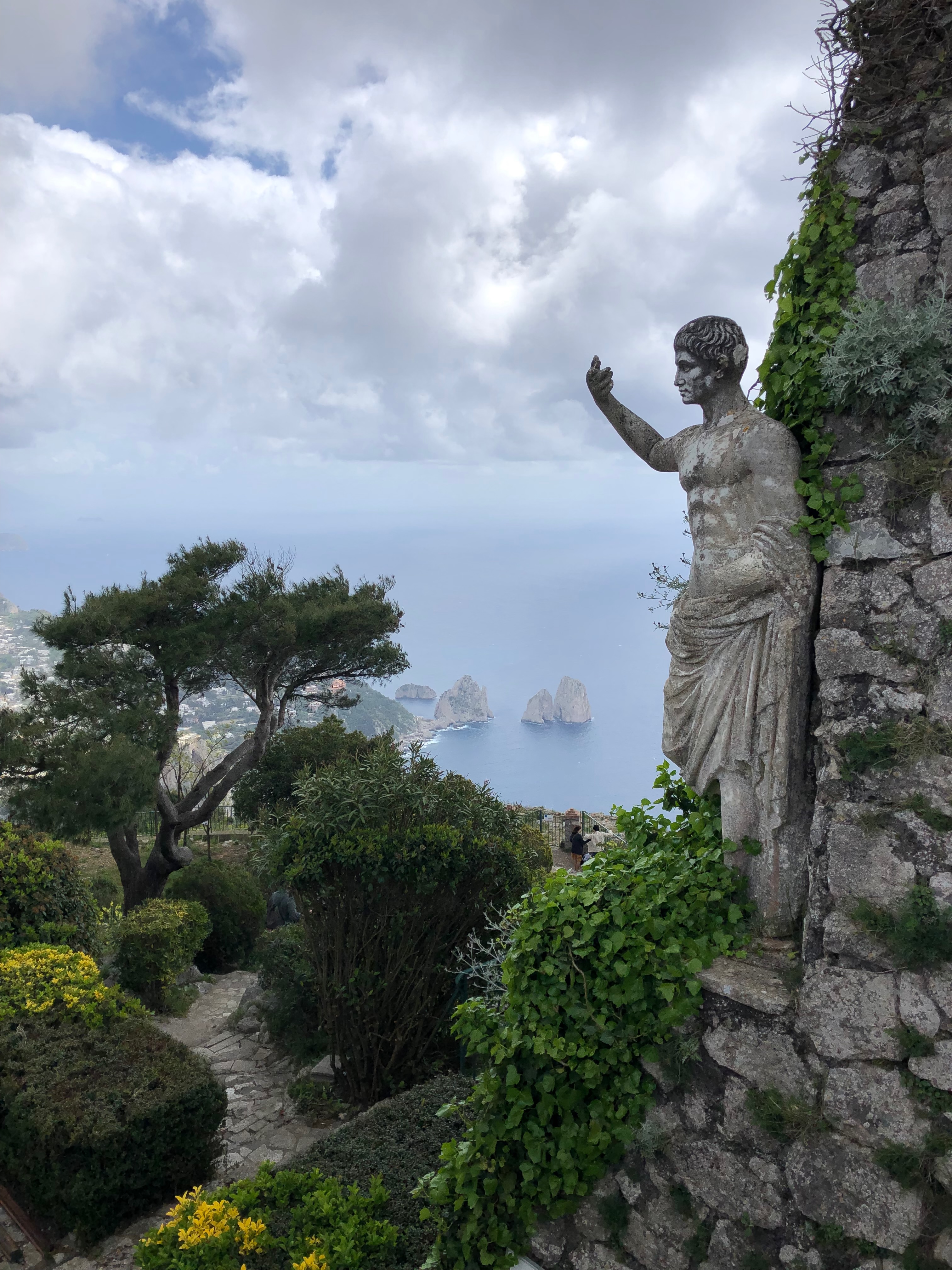
Reachable by various ports along the coast, Capri with its dramatic cliffs and caves begs you to explore this historical haven for the famous and infamous throughout the ages whether you head to the top on the chairlift to Monte Solaro or the bottom where you duck under the low ceiling of the sea cave where you find the dreamy blue grotto.
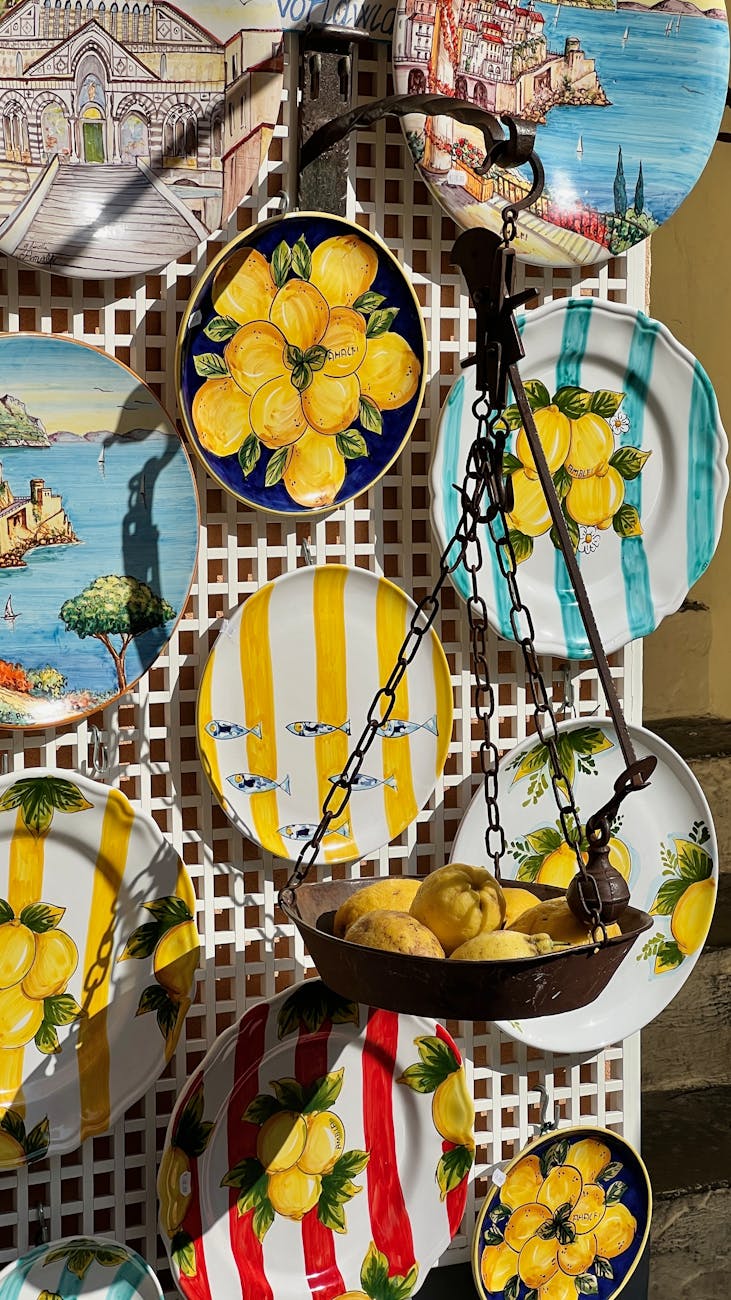
At the beginning of the Amalfi Coast, just beyond Salerno, the quiet and relaxed town Vietri sul Mare is recognizable by its signature yellow that mirrors the coast’s famous lemon groves painted upon exquisite ceramics that range from tiny espresso cups to large art installations. Spending your days exploring any of these charming towns is a choose-your-own-adventure type of magical day under the sun of Southern Italy.

If you have grand Amalfi Coast dreams but a less-grand Amalfi Coast budget, the best place to base your trip is Salerno. Visitors only passing through to take advantage of its excellent transportation connections via train, bus, and ferry to various towns around Campania miss the charm of this historical city. Salerno is known as the home of the first medical school in Europe which started in the 11th century. The students were known to gather herbs and remedies from the Giardino della Minerva for their patients which you can still visit today.
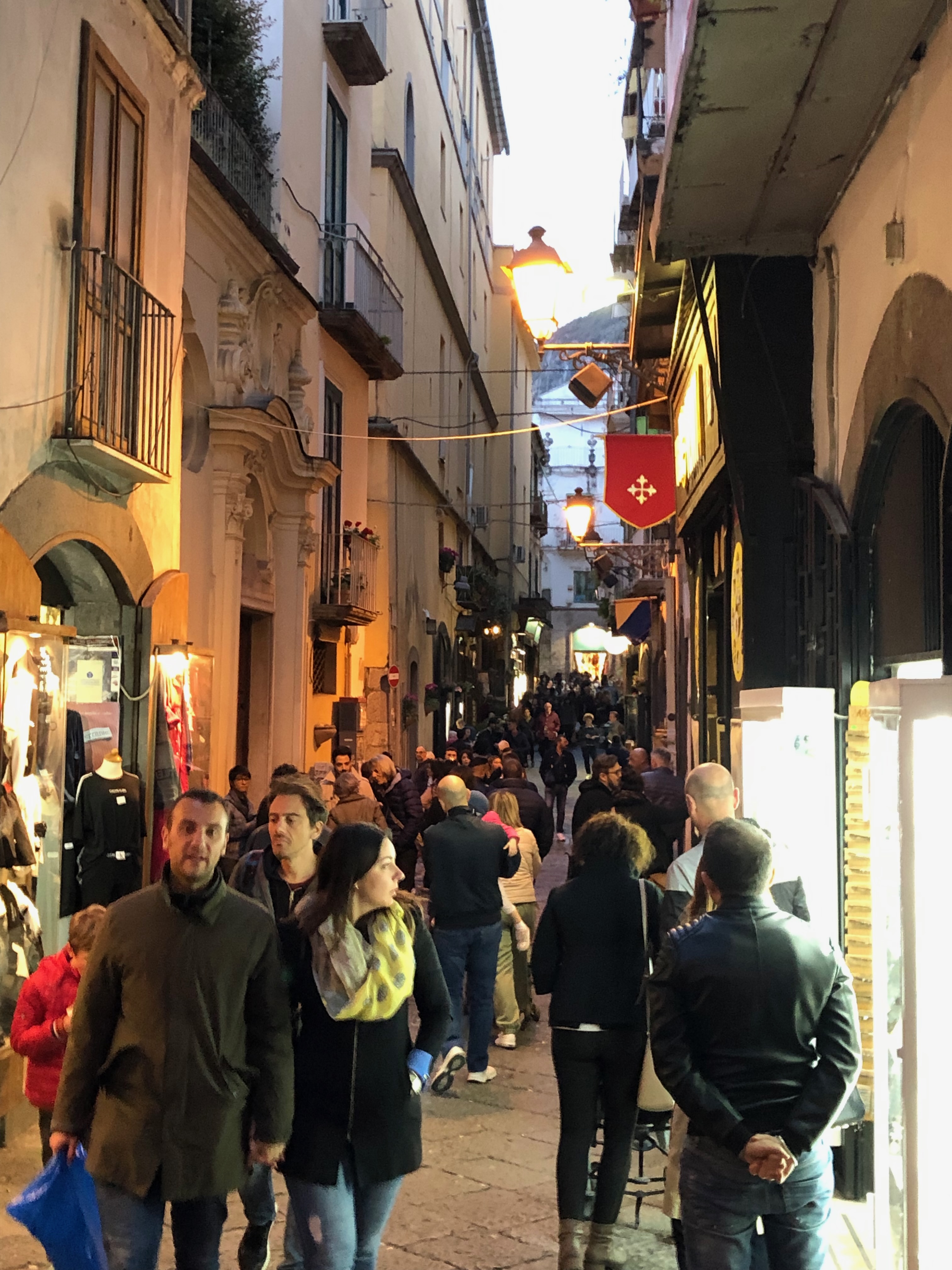
There are numerous larger hotels along the Corso shopping street and quaint B&Bs scattered throughout the centro storico where you can step out of your front door into normal Italian life. Many tourists do make it their home base to take a train to Naples, Paestum, Pompeii and Herculaneum or even to take ferries to Amalfi, Positano and even Capri, but because Salerno isn’t solely focused on tourism, you get much more of a glimpse into true Italian life and slower pace than other resort towns and tourist-centric cities you may have already visited in your travels.
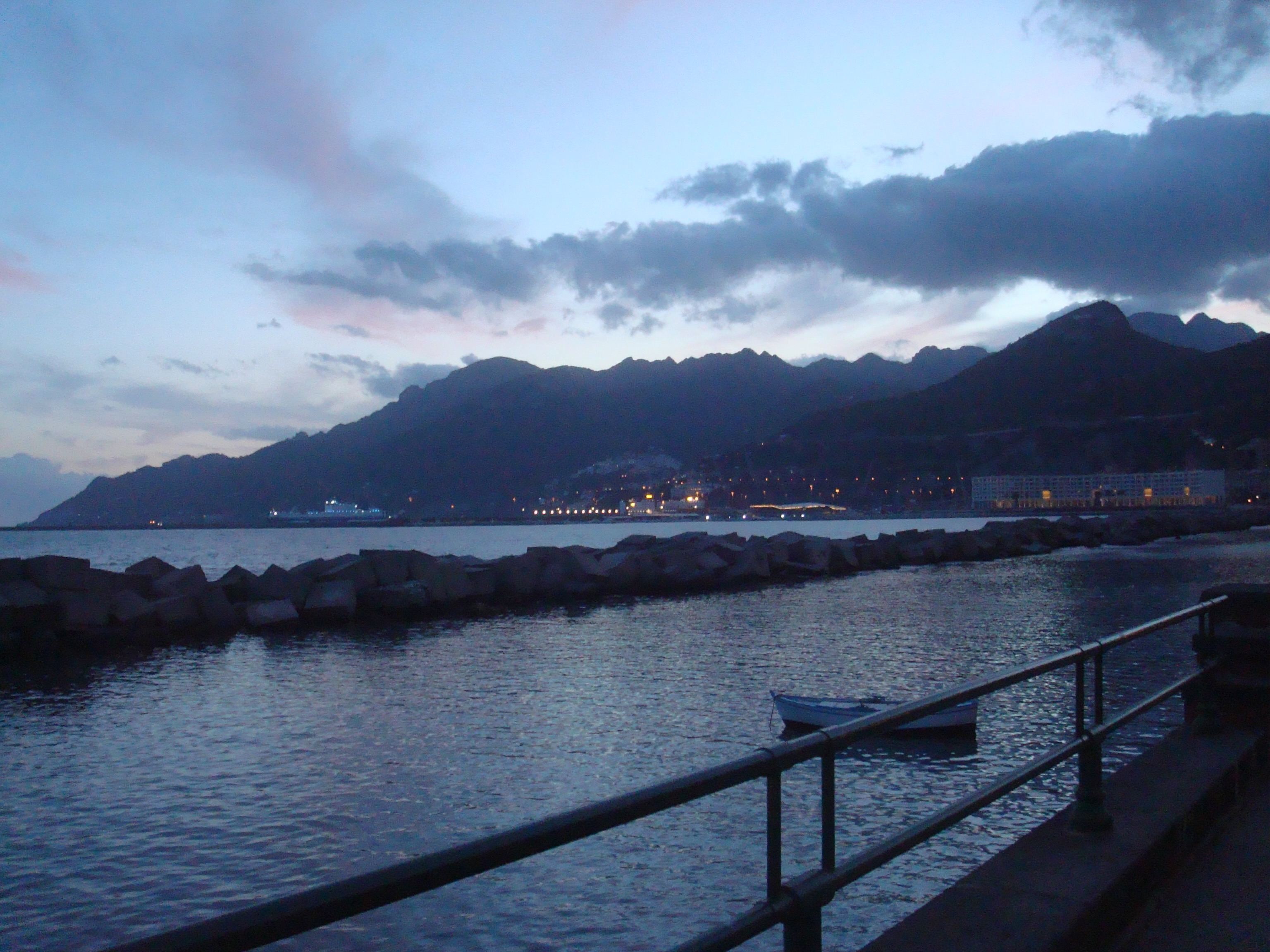
Be sure to visit the 2km long Lungomare Trieste which stretches from the tourist port to the large Piazza della Concordia where you can make the nightly “passeggiatta” with the locals as you stroll along the water enjoying the beautiful views as well as the excellent people-watching.

The 11th century Cathedral of Saint Matthew, colloquially called the Duomo of Salerno is in the heart of the centro storico. Stop by and marvel at the vaulted ceilings and artwork that decorates the interior of the church widely known as the most beautiful medieval church in Italy and then descend below the altar for the real “wow factor”.

The ornately decorated crypt which constitutes the main part of the first church that stood here holds relics of Salerno’s Patron Saint Matthew and has now been adorned with numerous types of marble along the floor and walls and frescoes on the ceiling which are reminiscent of a rainbow of colors in contrast to the simpler design of the cathedral above. Retreating to the city after sightseeing around the area to wander the small alleyways of the centro storico while visiting the Duomo and the Gardens is the perfect way to end a wonderful day.
Verona and Lake Garda

“In fair Verona, where we lay our scene….” The land that inspired one of the most celebrated romantic tragedies of all time is in fact in the middle of a wonderful area to spend your time surrounded by history, lakes and mountains.
Verona itself was founded under Rome in the 1st century BC but has been ruled by many different dynasties and kingdoms. The Arena of Verona is third largest coliseum still standing in Italy is located adjacent to Piazza Bra, one of the main squares in town. It is one of the most unique places to witness world-class philharmonic concerts, the famous Arena di Verona Festival which includes numerous operas, and will even be part of the Olympic legacy hosting the Closing Ceremonies of the 2026 Milano Cortina Olympics and the Opening Ceremonies of the Paralympics. Of note is the Scaligeri family who ruled in the 13th and 14th centuries and left their mark on the Verona of today by constructing many buildings that are still standing around town during their lives and after their deaths, including the Arche Scaligeri, five tombs built in the gothic style to commemorate their contribution. To find your luck at love you can stop by the fictitious Juliet’s balcony, viewing from below like Romeo and rubbing her statue to increase your chances of being struck by Cupid’s arrow or go inside to learn more about the aristocratic Dal Capello family from medieval times along with exhibits dedicated to the Romeo and Juliet story and pretend to be Juliet standing on the balcony lovestruck for her Romeo.
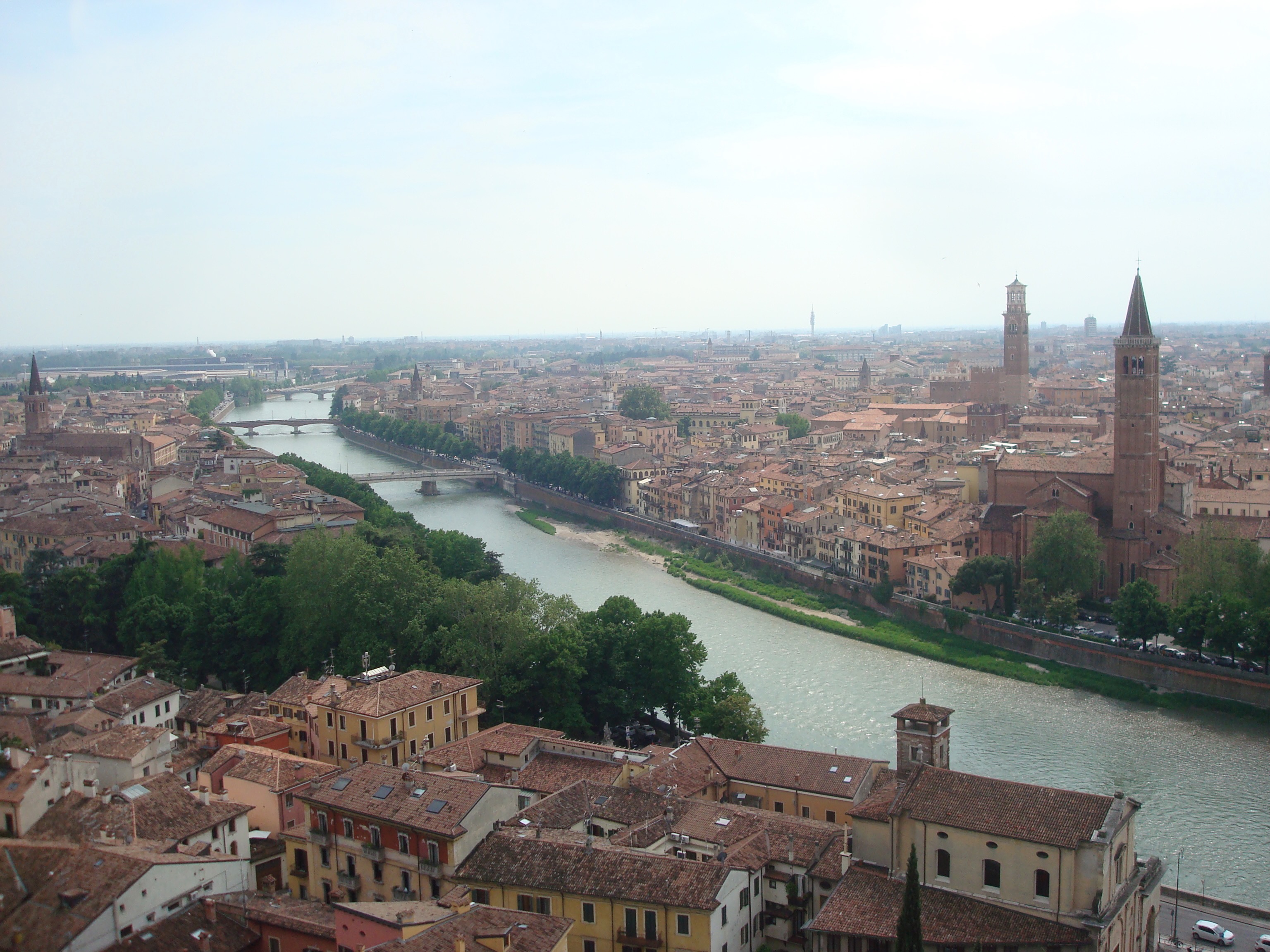
My favorite view in Verona is from Piazzale Castel San Pietro which is reachable by 250 steps up the mountain or a much more pleasant (and very worth it) 3 euro ride up the funicolare.
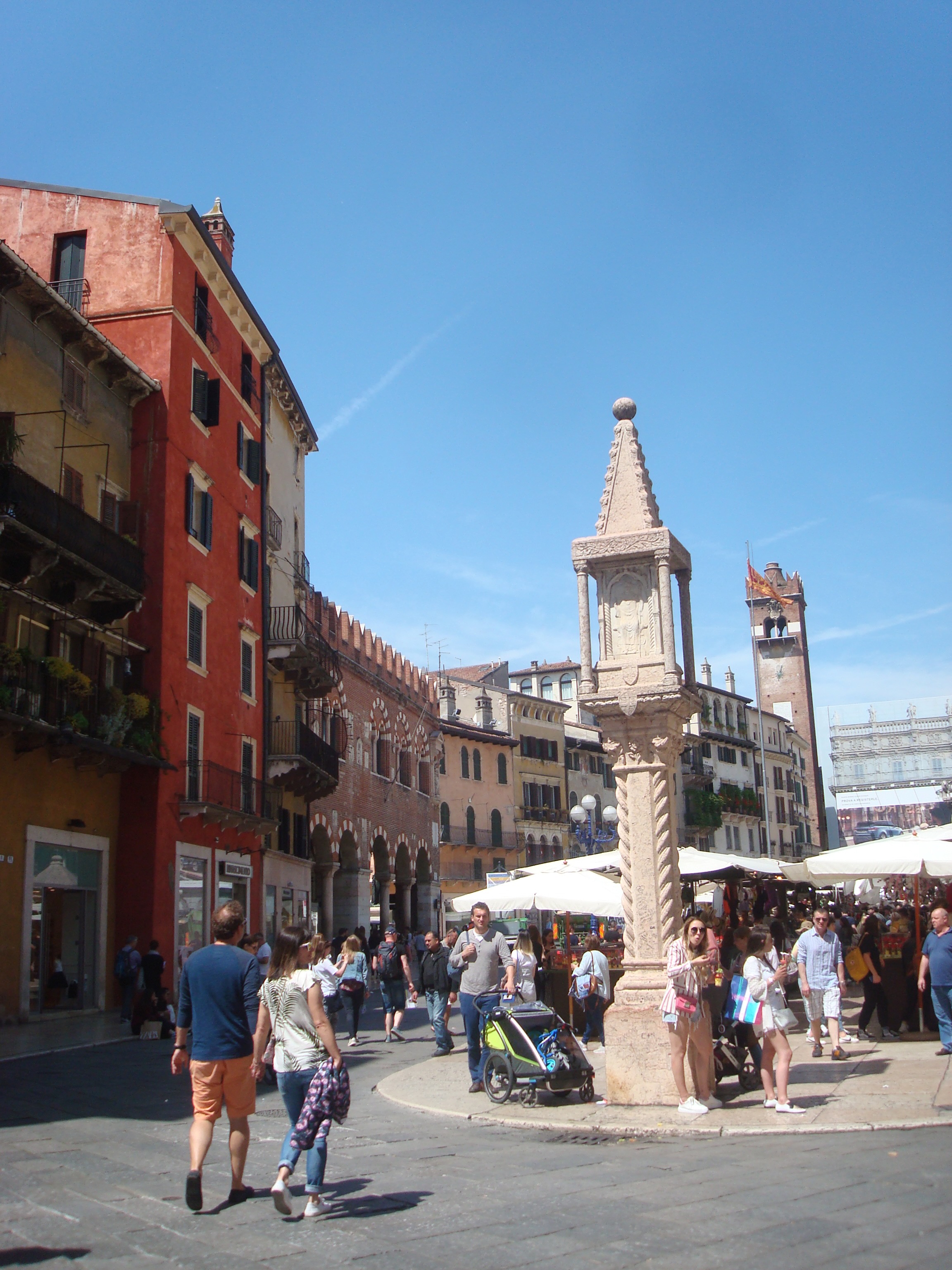
After making your way down, pass through the Piazza delle Erbe to visit the vibrant market that in years past was certainly dominated more by the herbs (where the “erbe” comes from), fruits, vegetables and baked goods than it is today with souvenirs and local baubles for tourists to take home with them but is still a fun place to browse. You can spend as little as an afternoon in Verona or stretch your visit to a few days with all the side streets, museums, chapels and cathedrals there are to explore.

When you are ready to experience the beautiful scenery of Veneto, hop onto a busy and quick regionale train to alight onto the shores of Lake Garda 13 minutes later (just don’t make my mistake of sitting in the first-class cabin with a second-class ticket and have to plead your case to only pay the fare difference and not receive a 50 euro fine!). Peschiera del Garda is a lovely little town that has held a strategic place along both the river and the lake for centuries, starting with the Romans traceable all the way to the rebuilding of the Quadrilateral Fortress by the Austrians in the 19th century which you can still see and in some parts, walk on, today. The small walkable center is a great place to base away from the crowds to allow you to visit the surrounding towns by ferry.

Sirmione draws many tourists with the Rocca Scaligera (also known as the Sirmione Castle) remaining to reign over the south end of the lake, a remnant of a defensive network surrounding Verona in the 12th century. Those interested in wellness or relaxation can take advantage of the terme (hot springs) that have been used to improve lives for centuries. Since the only train line that services the lake runs across the south end, the ferry system is well-used by the locals and very popular with tourists (many from northern Europe, evidenced by most of the street signs being posted in Italian, English, and German) who visit the area. A careful plan is needed to visit specific towns that may strike your fancy as there are multiple types of routes, varying timetables and speeds of boats. Sticking to one half of the lake is the best use of your time as it stretches over 50km north to south. You could choose to focus on either the north, which would be easiest to approach if you had a rental car, or the south, which would be most convenient if you were solely utilizing the ubiquitous train system in Italy.

Be sure to consult the market schedule to visit the traveling street market that is in a different place every day around the lake (I purchased an amazing leather bag when we stopped at the market which was set up that day in Garda town before heading onto Sirmione for the afternoon). Strolling along the lakeside, gazing at the mountains as they seem to plunge into the lake, and feeling the wind in your hair as you glide across the lake on a ferry to your next destination is a great way to spend a few days after a city focused visit to let your soul relax into an environment you never knew it needed.
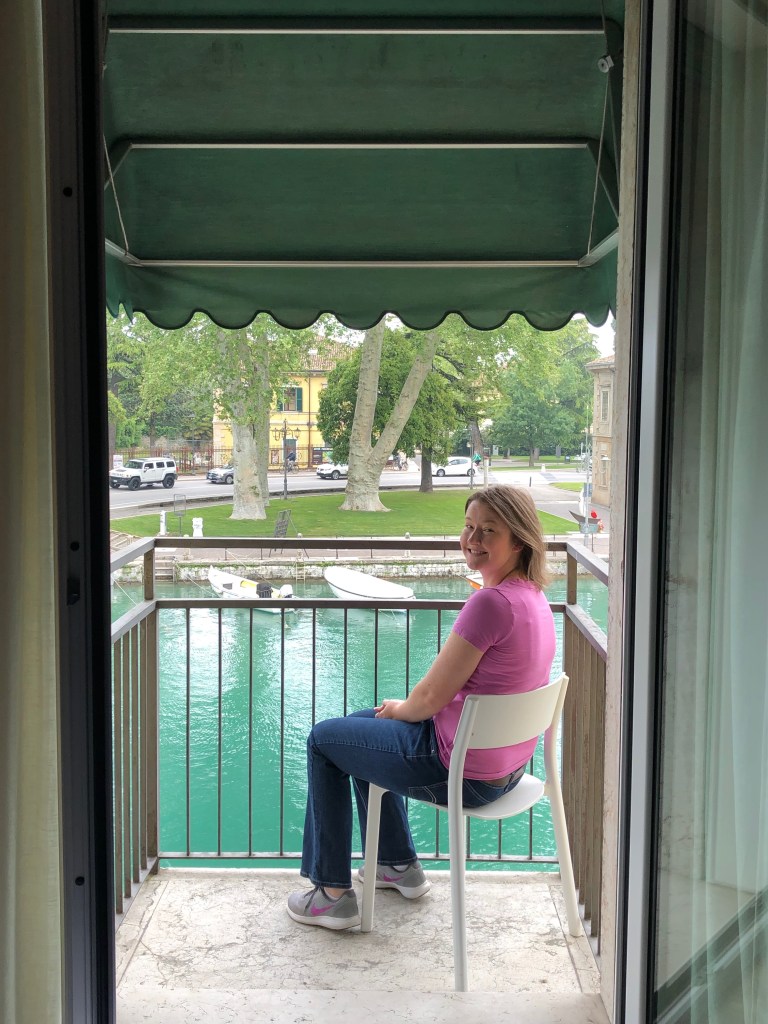
There is so much to explore throughout Italy, and after living there for two years, I still haven’t been able to scratch the surface of the amazing places to explore on my next trip. I hope this helped you dream a little bit more of your next trip!





 Katherine's Next Trip!
Leave a comment